Hand-Drawn Anime Cooking Video in 12 Scenes
Seedance 2 video prompt by AI活用ラボ@Levela · original post
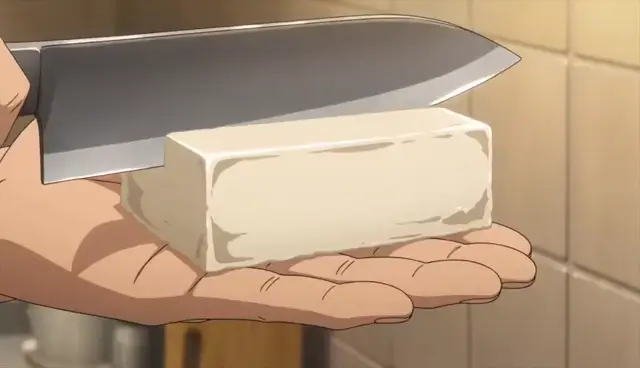
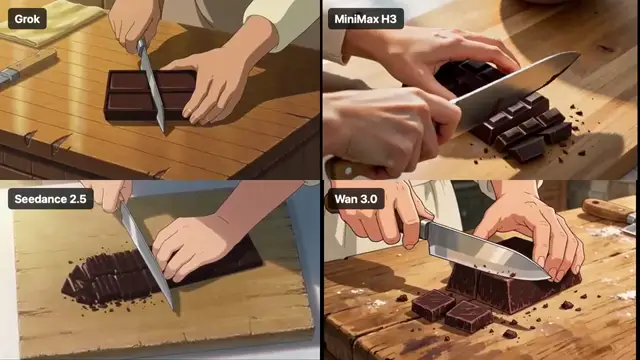
A 30-second video made of twelve 2.5-second scenes in an original Japanese hand-drawn 2D anime cooking style. The prompt specifies a soft, sharp-lined illustration look and is generated purely from text with no reference images or storyboards.
the prompt
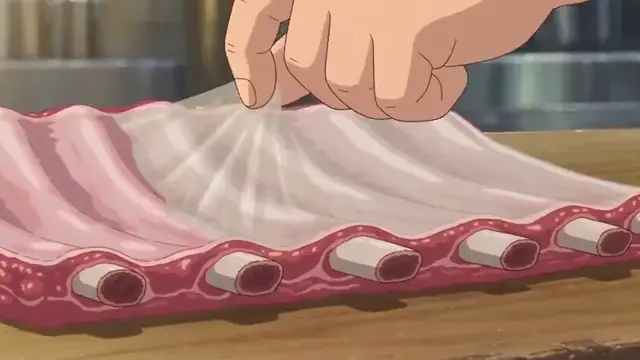
A 30-second video consisting of 12 scenes, each 2.5 seconds long, generated solely from text, with no reference images or storyboards. [Art style] Original Japanese hand-drawn 2D animated cooking video. Visually, it's entirely hand-drawn. Lines: Soft, sharp outlines like those of a pencil, with subtle variations in thickness. Thin lines are used for spice grains and the surface of the sauce, while slightly thicker lines are used for the grill, cutting board, and hands. The lines are not as perfect as vector graphics, but retain a slight hand-drawn imperfection. Color: A clean, full-color cel-shaded process in 2-3 stages. Starting from the pale, raw color of pork, progressing to a deep reddish-brown spice, and then to a lacquer-like sheen of almost black red, before settling into a calm gray and the warm orange of charcoal. The gradually deepening sheen is the backbone of the animation. Background: A warm, hand-painted outdoor kitchen scene. The brushstrokes are visible in the paintwork, creating a soft, airy depth, and the well-worn wood grain and metal grill give it the feel of a real living space rather than a contrived set. Lighting: A warm light that makes the food easy to read, and a low, warm reflection rising from the charcoal below. A soft key light from above provides a golden undertone, a weak cool-toned fill from the side, and distinct ground shadows beneath all the utensils and ingredients. Movement: Natural hand timing with weight and lingering resonance. The sauce is animated as a heavy, sticky, slow mass that drips and stretches. The smoke is depicted as thin, drifting streaks, never as a thick cloud. Finishing touches: Subtle analog film grain, slight color bleeding at the edges reminiscent of hand-drawn cels, and deep, lacquer-like specular highlights built into the layered sheen. Do not imitate existing studios, films, characters, scenes, or unique visuals. Do not copy specific writers or production companies. Create an original look. [Topic and Rules] Subject: American BBQ baby back ribs. A single piece of meat, with the thin membrane removed, is rubbed with spices, slowly cooked over low charcoal, and then repeatedly brushed with sauce to give it a lacquer-like sheen. The sole subject of this video is cooking and the cooking process. Only hands, forearms, ingredients, tools, heat, and textures are shown. The face, head, entire body, the person eating, the moment they take a bite, and the person's reaction are never shown. The sliced ribs are not shown before the final scene. Scenes 1 through 11 are all in the middle of the process. Each scene has exactly one main action, and it must differ from the previous scene in one of the following ways: process, state of ingredients, contact with tools, or heating state. The hand movements are steady and precise from start to finish. They mimic the hand movements of an experienced chef. The number of bones in each piece of meat is fixed and remains the same in every scene. [Scene composition] Scene 1 — 0.00–2.50 Camera: A close-up shot, low and angled, following the back of the flesh. Moving in very slowly. Starting state: A single piece of baby back rib, bone-side up, on a well-used wooden cutting board. It is pale pink, with a thin, silvery membrane covering the bone. Action: The fingertips get under one corner of the membrane, lift the opening, and then the entire hand, in a continuous, steady pull, peels the membrane away, crossing the bone. Change: The membrane peels off in a single, unbroken layer, revealing the underlying flesh and bone. Texture: A film that stretches under tension and becomes even more translucent just before peeling off. A slight sticky resistance visible when lifted. The wet, darker exposed surface beneath. The peeled film hanging loosely from your fingers. Connection: Spices can be picked up on this plain surface. Scene 2 — 2.50–5.00 Camera: A high, overhead shot of a single piece of meat. Fixed. Action: A generous amount of dark red spice mix is sprinkled over the entire dish from a raised palm. The hand moves along the length of the meat. Transformation: The pale pork disappears beneath the dry, dark red powder. Texture: Small particles that scatter slightly as they fall. Powder that is thickest in the crevices between bones and thinnest on raised bones. Faint dust remaining in the air. Not a smooth paint, but rather coarse particles that can be distinguished one by one. Connection: To establish a connection, it must be ingrained. Scene 3 — 5:00–7:50 Camera: A 45-degree angle capturing a single piece of meat and both hands. Slowly panning. Action: Rub the spices into the meat by pressing them in with the heels of your hands, moving both hands along the length of the meat. Change: The loose powder becomes a uniformly adhered, dark reddish-brown surface. Texture: Powder that absorbs moisture from the meat, deepening its color. The imprint of the palm of the hand appears and then smooths out and disappears. The surface changes from a powdery state to a slightly damp, unified surface. Small amounts of spices gather under the fingernails and on the edges of the cutting board. Connection: Seasoned and then placed on a net. Scene 4 — 7.50–10.00 Camera: Medium shot from the side at the height of the grill. The charcoal glows red below. Fixed. Procedure: A single piece of meat is placed bone-side down on a metal grill over a weak charcoal fire. Change: Cold, pre-seasoned meat becomes meat that sits on heat. Texture: Thin wisps of smoke rise from the charcoal below, passing alongside the meat. Warm orange light from below captures the underside. The grill bars leave faint marks where they touched the meat. The spiced side is still matte and dry. Connection: Slow heating begins. Scene 5 — 10:00–12:50 Camera: Close-up of the surface of the meat. Slowly zooming in. Action: Do not touch anything. The meat will cook. Change: Fat begins to seep out of the meat. Texture: Tiny droplets of fat swell, grow, and merge on the surface, scattered like dots. The fat moistens the dry spices, giving them a faint initial sheen. The color deepens slightly. Occasionally, a single drop falls towards the charcoal, and a wisp of smoke rises in response. The meat shrinks very slightly along the bone. Connection: The surface had enough stickiness to hold the sauce. Scene 6 — 12.50–15.00 ★ A highlight of texture. Camera: A macro close-up of the surface of the sauce in a small pot. The camera zooms in very slowly. Action: The BBQ sauce simmers over the fire. A spoon slowly slides through it. Transformation: The thin, dark red sauce becomes a thick, viscous, almost black, glossy red glaze. Texture: Large, heavy bubbles rise, slowly forming a dome, lingering for a moment, then bursting open in a stringy manner, leaving a crater behind. The spoon marks close on their own. Hard, bright highlights become sharper on the surface as the consistency increases. When lifted, it thickly coats the spoon, with the sauce dripping from its edges. Connection: The paint has become thick enough to be applied in layers without running. Scene 7 — 15:00–17:50 Camera: A close-up shot at a 45-degree angle of the brush and pot. Fixed. Action: A wide brush is dipped into the sauce, turned over once, and then lifted out. Change: The brush now contains sauce. Texture: Sauce crawling up between the bristles. A single thick drop that gathers at the tip, hangs down, stretches, but doesn't fall off. Bristles heavy and matted with sauce. Slow threads connecting the brush to the surface of the pot before they break. Connection: This brush goes straight towards the rib. Scene 8 — 17:50–20:00 Camera: A close-up, overhead shot of a portion of a single piece of meat. The camera slowly pans along its length. Action: The brush sweeps the sauce onto the ribs with large, overlapping strokes. Transformation: Dry, deep red spices disappear beneath a wet, rich, glossy film. Texture: A distinct boundary between dry spices and wet sauces. The sauce first accumulates in depressions, then thins out on raised bones. Clearly visible brushstrokes and individual hair marks. Hard, wet highlights that appear the moment they are applied. Connection: This is the first coat. Scene 9 — 20:00–22:50 Camera: Medium shot from the side at the height of the grill. Fixed. Action: The meat is returned to the charcoal. Nothing is touched. Change: The wet sauce dries and sets on the surface. Texture: The wet sheen loses its liquid-like movement and becomes a firm, fixed film. Brush strokes are fixed in place, rather than being smoothed out and disappearing. The color deepens as the sugar takes on a rich hue. Tiny bubbles form and solidify within the layers of sauce. A thin wisp of smoke rises from the side. Connection: It's only because the first attempt was successful that the second attempt can be built upon that foundation. Scene 10 — 22.50–25.00 ★ Camera for highlighting texture: A high overhead shot of a single piece of meat from directly above. It zooms in very slowly. Action: The second coat of sauce is applied with a brush over the first coat. Transformation: The lustrous, deep red sheen deepens into a rich, almost black lacquer-like sheen with genuine thickness. Texture: A new, wet layer visibly sits atop a hardened layer, with faint traces of old brushstrokes visible beneath. Colors become darker, and highlights become harder and smaller. The surface appears to have been built up rather than painted. Drips accumulate in the valleys between the bones. Connection: The glaze is complete. All that's left is to cut it up. Scene 11 — 25.00-27.50 ★ Camera for highlighting texture: Macro close-up from the side at cutting board height. Captures the knife and two bones. Closes up very slowly. Action: A piece of meat is transferred to the cutting board, the knife is lowered between the bones, and then pulled straight down. Change: The single piece of meat becomes a rib cut into separate pieces. Texture: A lacquer-like surface that doesn't tear but cleanly splits under the blade. A sheen that cracks slightly along the cut line. At the cut surface, soft, pale flesh appears with a thin pink smoke ring just beneath the skin. Steam rises from the newly opened surface. The sauce slowly closes the top edge of the cut. Connection: The contents have been shown. However, the completed stack is still to come. Scene 12 — 27.50–30.00 ★ Final cut / The only moment to show the finished ribs. Camera: A diagonal angle, slightly elevated, viewing the cutting board. Keep it fixed and still. Action: The cut ribs are gathered and stacked on the cutting board. Texture: A deep, almost black lacquer sheen, each piece receiving a hard highlight. The bone ends stand out softly against the deep sheen. The cut surface reveals tender meat and a pink ring. A single wisp of steam rises from the stack. A small puddle of sauce spreads on the cutting board below. Hold: Keep this cut short and quiet until finished. Do not switch the finished rib to a different angle. 【camera】 The camera's distance, angle, and height are changed with each scene transition to create the illusion of a person moving around a cooking counter, choosing their position with each step. A deliberate rotation of high overhead shots, close-up overhead shots, medium side shots, low side shots, 45-degree angle shots, slightly wider shots of the whole scene, and macro shots from the side are used. The same setup is not used for two consecutive scenes. Within each scene, the camera should be quiet. Only very slow close-ups, slow panning, and slight pauses are allowed. No flashing, camera shake, swirling, or shaking is permitted. Readability takes precedence over style. It's essential that you understand "what is being done and what is happening" at every moment. The closest macros are reserved for scenes 6, 10, and 11, to make them feel distinctly different from the normal process scenes. Before the final scene, the sliced ribs and stacked ribs are not shown. [Texture and movement] A thin film that stretches under tension, becomes even more translucent just before peeling off, and peels off in a single, unbroken sheet. The spice grains scatter slightly as they fall, accumulating most thickly in the cavities between the bones. The powder absorbs moisture and deepens in color, while the palm prints appear and then disappear as they are smoothed out. A thin wisp of smoke rises from the charcoal, passing beside the meat. It never forms a thick cloud. The scattered particles swell, merge together, and occasionally fall onto the charcoal. A large, heavy, dripping foam that slowly forms a dome, pauses for a moment, then bursts in a string, leaving a crater. A single, thick grain gathers at the tip of the brush, stretches, but doesn't fall off. The clear boundary between dry spices and wet sauce, and the distinct traces of hair that remain. The wet sheen loses its movement, becoming a firm, fixed film, and the brush strokes are fixed in place. A second wet layer visibly sits on top of the hardened layer, leaving faint traces of the old streaks beneath. The lacquer-like surface doesn't tear but rather splits cleanly under the blade, and steam escapes from the cut surface. The goal is to depict the sauce thickening and developing a beautiful sheen, even without sound, conveying its viscosity. [Light and Stage] A clean and tidy outdoor kitchen counter. A well-used wooden cutting board, a metal grill over a weak charcoal fire, a small pot, a wide brush, and a knife. Nothing else is left on the counter. Warm daylight from above is the key light, and in scenes 4, 5, and 9, a low, warm orange reflection rises from the charcoal beneath the netting. There is a weak, cool-toned reflection on the shadow side. Ground shadows are clearly defined, maintaining a consistent direction throughout the 12 scenes. The sheen is achieved by lighting hard specular highlights that move along each individual rib, becoming smaller and harder with each layer of paint applied. These highlights give the lacquer texture a convincing quality. Keep the background simple and always place it below the food. [Physical continuity] The hands and tools must be stable in all scenes. The continuity of ingredients throughout the 12 scenes. From scene 1 to scene 12, the same piece of meat is used. The number of bones is the same in every scene shown. Maintain consistent scale for the grill, cutting board, brush, pot, and knife from the first frame to the last. The gravity and flow of the liquid must be realistic. The sauce should be heavy and slow at every stage, never flowing like water. The physically correct sequence: Peel off the thin film → sprinkle with spices → , rub them in → → place over charcoal (p8 → → reduce the sauce → , apply the first coat → set it in place → , apply the second coat → , cut → , stack. The brilliance builds up gradually in visible stages, as seen in scenes 8, 9, and 10, rather than jumping straight to the finished state. Never let the meat get licked by an open flame. The charcoal remains low and glowing red. [Negative] No finished dish shown at the beginning, no repeated shots of the finished plate, no title text, no captions, no subtitles, no logo, no watermark, no readable labels, no live-action, no photorealism, 3D No CGI, no claymation, no plastic toy look, no game-like render, no hyper-realistic food photography look, no AI-like morphing, no flickering, no distorted hands, no abnormal number of fingers, no floating tools, no floating ingredients, no impossible knife movements, no reverse-playback-like cutting, pots don't disappear, bowls don't change shape, no unrelated ingredients, raw ingredients don't appear after heating, no reversal of cooking order, the finished product isn't shown before the final scene, no cluttered background, no faces, no eating characters, no character reactions, no character taking a bite, no dialogue, no narration, no background music, the glaze doesn't reach a finished state in one stage, the number of bones doesn't change between scenes, no direct flames licking the meat, no billowing smoke, no watery thin sauce, no thin film that peels off in one layer instead of tearing. [The lingering feeling at the end] It ends with warmth and appetite. Only the last 2.5 seconds reveal the perfected ribs, short, intense, glossy, beautiful, and rather than showing them off completely, it closes with highlights running across the surface of the lacquer, leaving a lasting impression.
- model
- Seedance 2
- type
- video
- shape
- 16:9
- length
- 30 seconds
- shared
- August 22, 2026
- prompt
- 2,775 words
Made this? Fix the credit or remove it.